
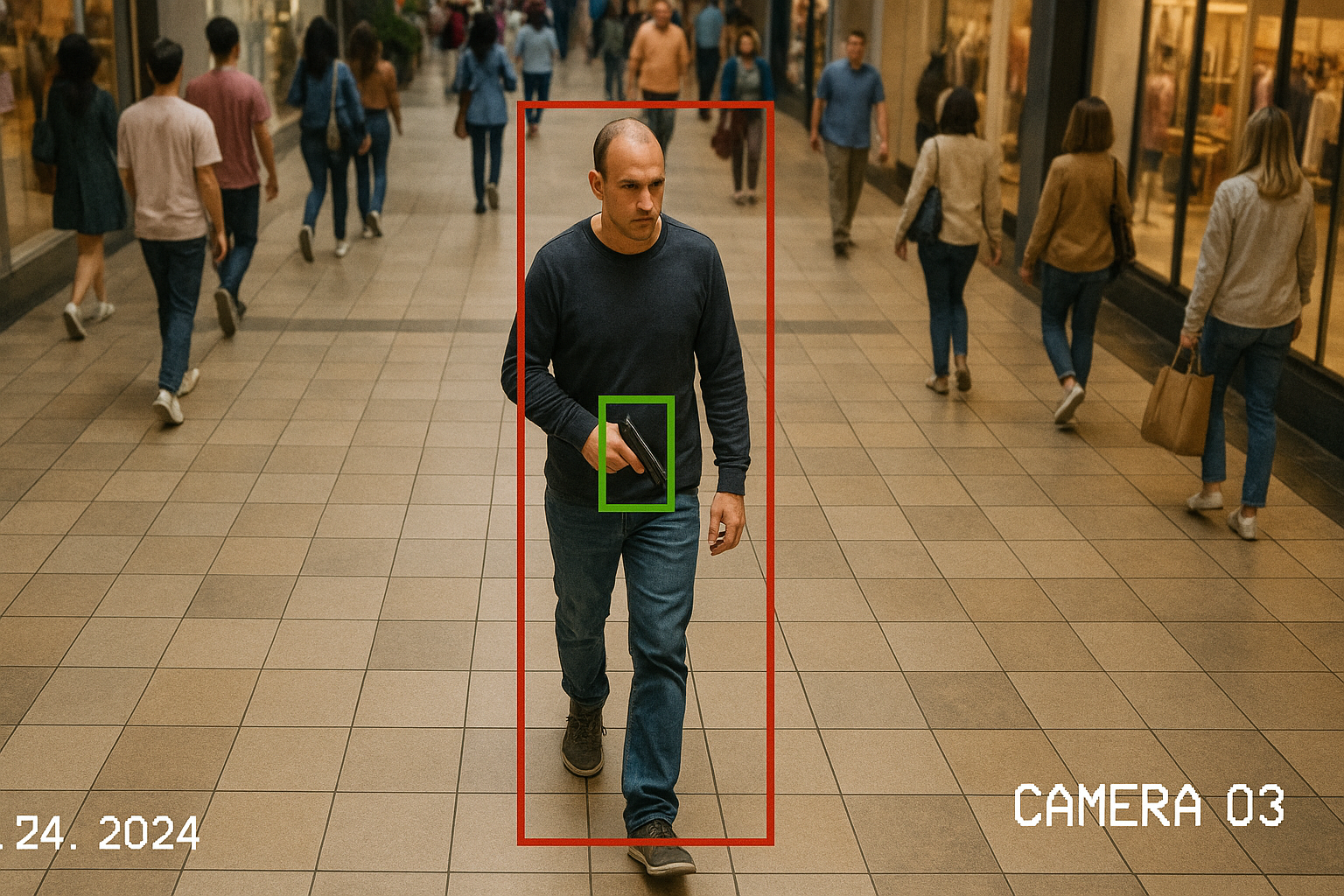



Build your own watch lists and whitelists to spot threats—and confirm who belongs.
Facial Recognition, On Your Terms
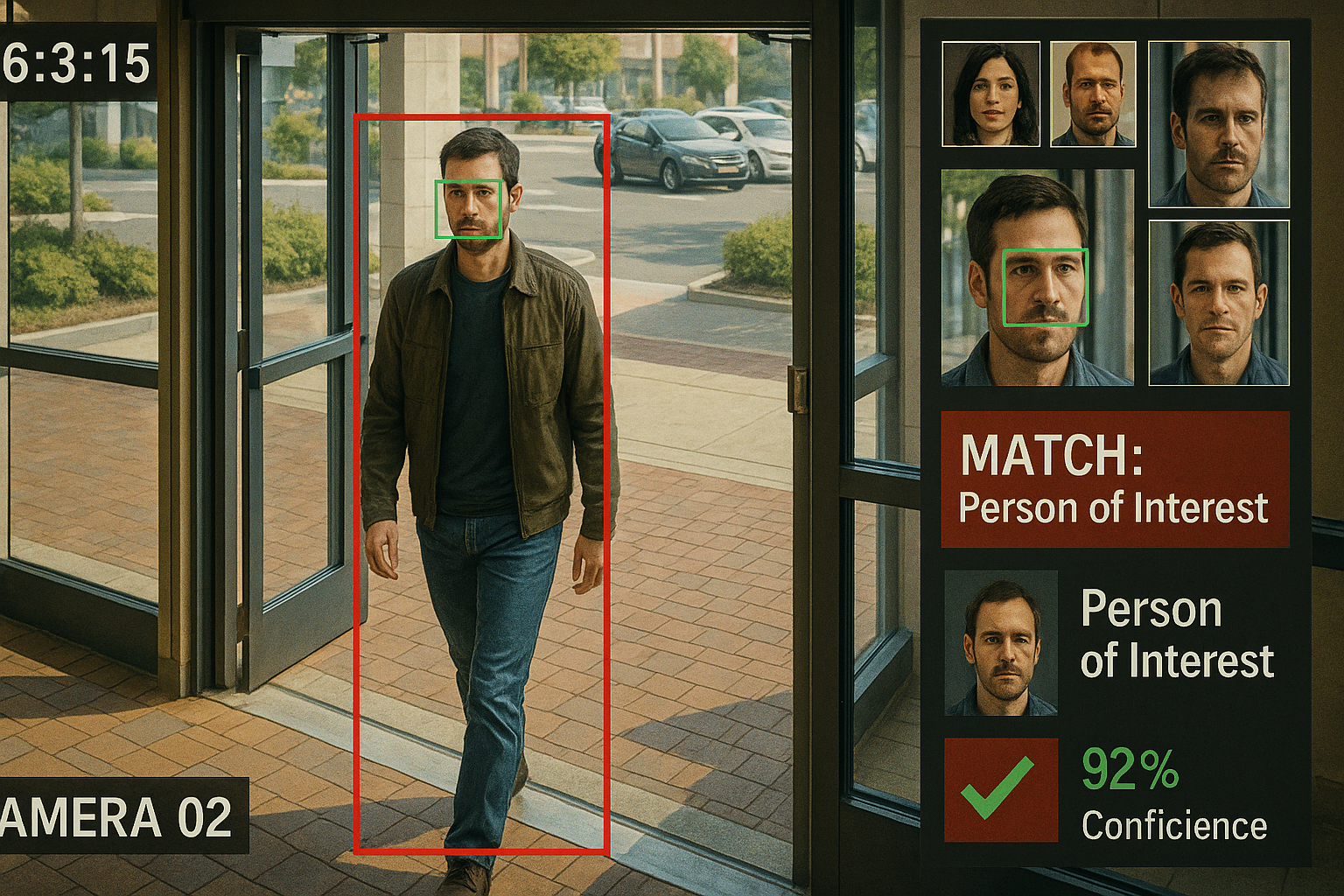
Create private, purpose-built facial databases for your environment: flag known shoplifters or dangerous individuals, and whitelist employees, contractors, and approved visitors. At every entrance, the system matches faces in real time and logs arrivals automatically—no bottlenecks, no guesswork.
Real-time monitoring
Scan and log every visitor on arrival
Know exactly which cars come and go—and get instant alerts for the ones that matter.
Smarter Vehicle Tracking, Built Into Your Security
Create your own watch lists
Create and manage private watchlists tailored to your risks: repeat shoplifters, banned visitors, or persons of concern. You control enrollment, expiration dates, notes, and evidence, with granular permissions so only authorized staff can add or update entries.
Decide who’s flagged—and what happens next
When a match occurs, the system follows your playbook—send a silent alert, notify security, lock a door, or log for review—complete with photo verification, time, and location. Every action is auditable, so you maintain oversight, reduce guesswork, and respond consistently across teams and shifts.
Shareable Watchlists, Standardized Across Locations
Build watchlists in a unified schema—name, face signature, notes, incident history, expiration, and permissions—so entries can be exported, synced, and merged across stores or campuses without cleanup. Role-based access ensures only authorized staff can view or update sensitive fields, keeping data accurate and compliant.
lets your teams pool intelligence—safely and fast
When a shared entry matches at any site, the alert includes source location, evidence, and last-seen details, helping teams recognize repeat offenders and act consistently. Over time, your organization builds a living database of suspects (like shoplifters) that strengthens prevention everywhere, not just where the last incident occurred.
Face Scan Frequency You Control
Set per-location, per-camera scan rates so high-risk areas (like bank entrances) run continuous recognition, while lower-risk zones (like mall corridors) use scheduled or interval scans. Profiles can change by time of day—tight during openings/closings, lighter during low-traffic hours—to balance vigilance with cost.

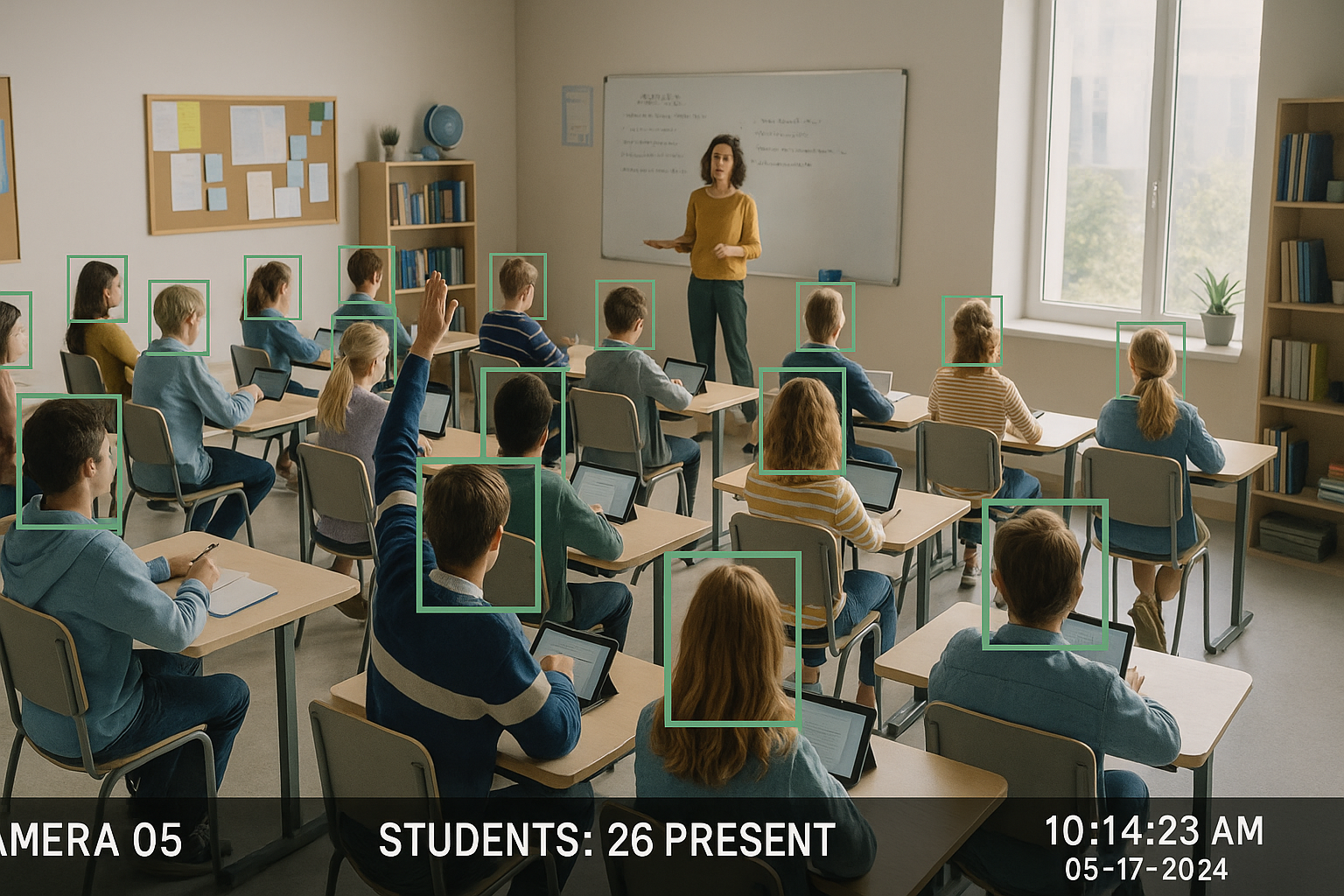
Facial recognition that identifies every visitor the moment they arrive.
AI automatic scans all visitors and covers each enterance.
Built for Law Enforcement Integration
The platform can match faces against law-enforcement–provided datasets under your policy and permissions—supporting read-only access, strict auditing, and role-based controls. When enabled, matches include photo verification, time/place, and confidence scores, helping agencies act on high-quality, documented leads.
Make it easy to collaborate with law enforcement.
Alerts and incident packets are standardized for easy handoff—compact video/audio clips, bounding boxes, geotags, timestamps, and metadata delivered via secure APIs, webhooks, or file drops in common formats (JSON/CSV). That makes it straightforward to route events into CAD/RMS and other LE workflows without custom rework.
Tune how often recognition runs to match your risk and workload.
The system also adapts to events: when high-alert mode is triggered, scan frequency ramps up across relevant cameras automatically, then returns to normal once cleared. This keeps GPUs focused where they matter most, maintaining strong security without overloading your other monitoring tasks
Recognize Who Belongs
Trained on your unique space, it knows who belongs—and who doesn’t.
Know exactly what your AI surveillance will cost, based on the hardware you choose.
Our pricing model is built around clarity. Because AI monitoring scales with VRAM requirements, you’ll know from the start how many feeds you can cover and what level of analysis each system can handle. There are no hidden usage fees, per-event costs, or unpredictable data charges.
Once your coverage goals are set, your costs stay consistent—month after month. Whether you’re monitoring 5 cameras or 50, the budget aligns directly with the GPU hardware you deploy, making it easy to forecast, expand, or optimize your security system without financial guesswork.